Optimal Timing for Waterproofing Applications
Waterproofing is a crucial step in protecting structures from water intrusion and damage. The timing of waterproofing applications can significantly influence their effectiveness and longevity. Proper scheduling ensures optimal adhesion, curing, and performance of waterproofing materials, reducing the risk of future issues.
Warm temperatures and moderate humidity make spring and early summer ideal for waterproofing projects. These conditions promote proper curing and adhesion of waterproofing membranes.
Periods with minimal rainfall and low humidity levels help prevent water interference during application, ensuring a more durable seal.
Applying waterproofing before seasons with heavy rainfall or snow can help prevent water infiltration during adverse weather conditions.
Cold temperatures can hinder the curing process of many waterproofing materials, leading to reduced effectiveness and potential failures.
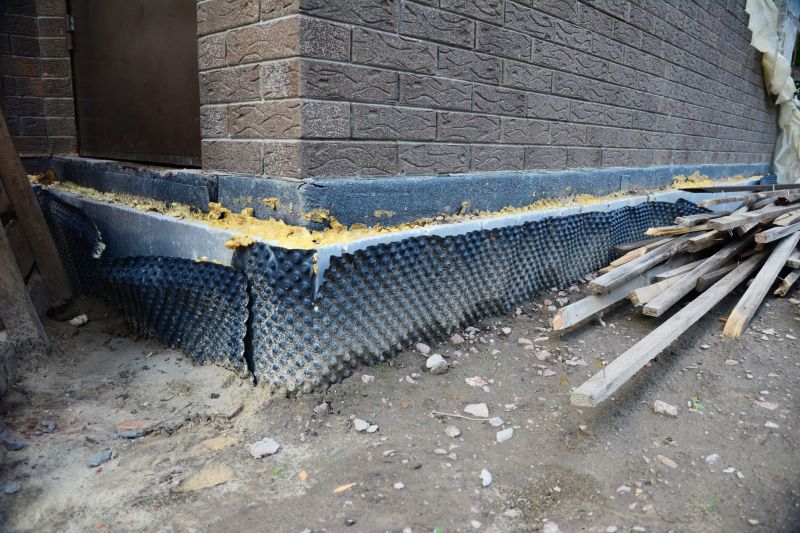
A technician applies waterproofing membrane on a building foundation during favorable spring weather.

A crew seals a basement wall in dry conditions to ensure optimal adhesion and durability.
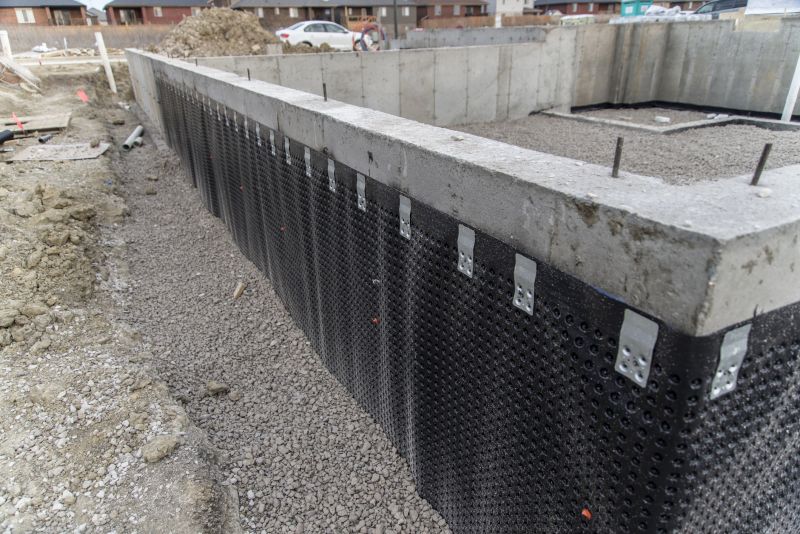
Waterproofing membranes are installed on a roof before winter to prevent water infiltration during snow and rain.
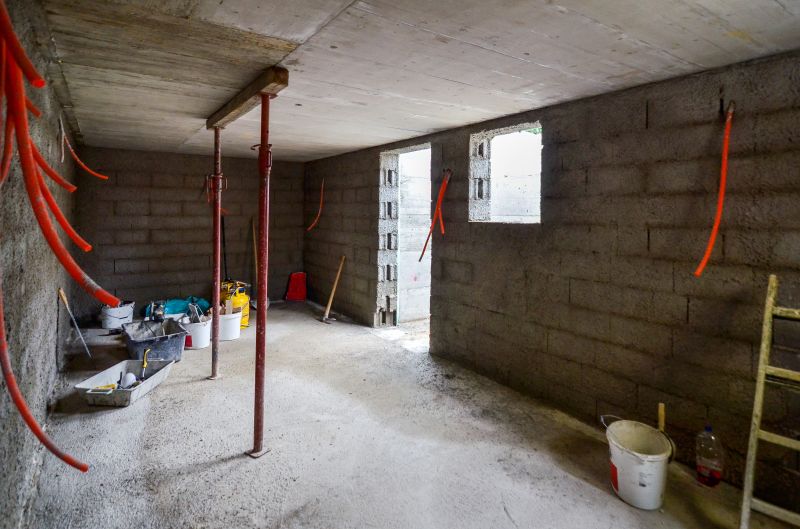
Ways to make Waterproofings work in tight or awkward layouts.
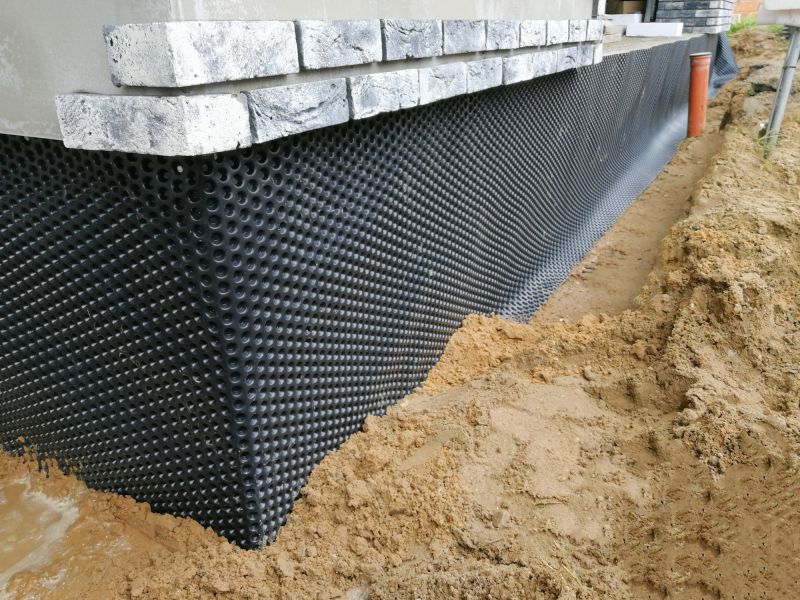
Popular materials for Waterproofings and why they hold up over time.
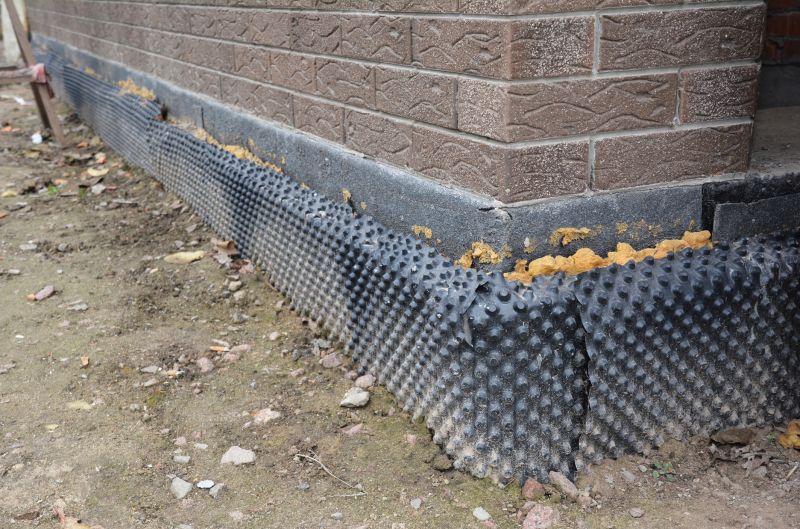
Simple add-ons that improve Waterproofings without blowing the budget.
| Season | Optimal Waterproofing Conditions |
|---|---|
| Spring | Moderate temperatures, low humidity, ideal for membrane application. |
| Summer | Warm and dry conditions, suitable for most waterproofing projects. |
| Fall | Dry weather before winter, good for sealing and protective coatings. |
| Winter | Generally not recommended due to cold temperatures and moisture issues. |
Waterproofings are essential for preventing water damage in residential, commercial, and industrial structures. They protect foundations, roofs, basements, and walls from water infiltration, which can cause structural deterioration, mold growth, and other costly issues. Properly timed waterproofing applications can extend the lifespan of a building and reduce maintenance costs.
Statistics indicate that water-related damages account for a significant percentage of structural repairs annually. Implementing waterproofing measures during optimal weather conditions enhances their effectiveness and longevity. Whether sealing a basement before winter or waterproofing a roof in summer, choosing the right time is vital for achieving the best results.
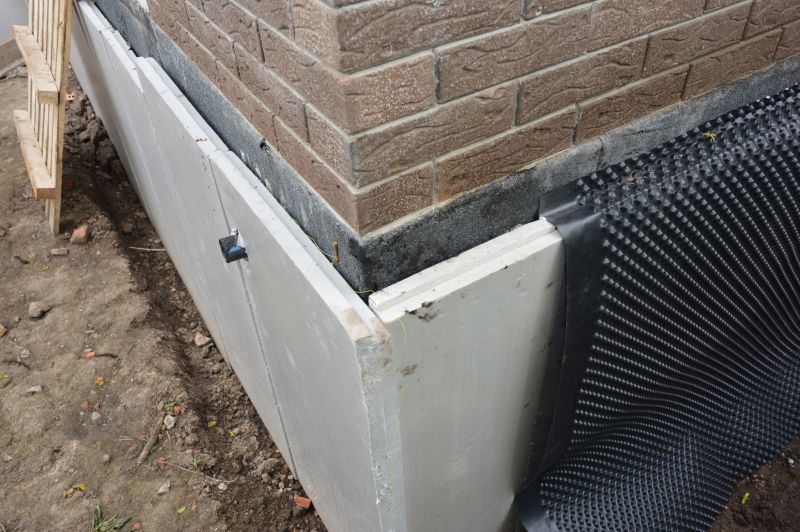
A professional applies waterproofing membrane on a building foundation to prevent water ingress.
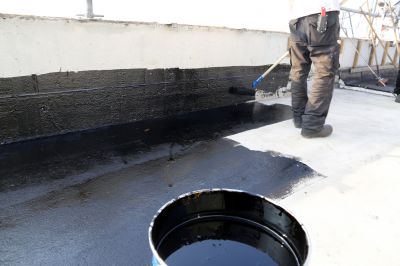
Application of waterproof coating on a flat roof during dry weather conditions.
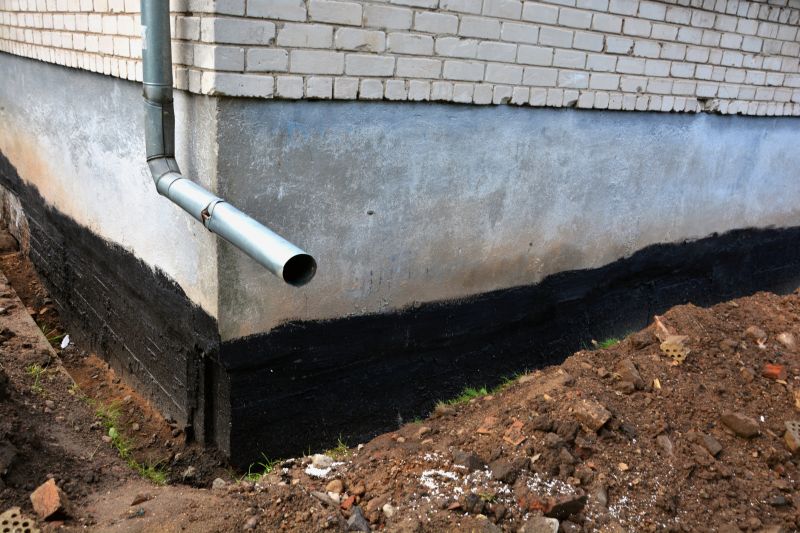
Sealing basement walls to protect against groundwater intrusion.
Interested parties are encouraged to contact for further information or to schedule waterproofing services. Proper timing and application are key to ensuring long-lasting protection against water damage.